Buenos Aires is a city where national politics, immigration, architecture and everyday life are layered into the same streets. Its most important historical sites are concentrated around Plaza de Mayo and the historic center, San Telmo, La Boca and Recoleta. Together, these areas help visitors understand Argentina’s colonial beginnings, independence, waves of European immigration, political conflicts and cultural identity. Many landmarks can be visited independently, but a local guide can connect people, buildings and events that otherwise appear unrelated—and turn a collection of famous places into a coherent story of Buenos Aires.
The main historical areas of Buenos Aires
The essential historical sites in Buenos Aires are best understood by neighborhood. Plaza de Mayo is the political and civic heart of the city. San Telmo preserves a colonial street plan and a long tradition of commerce. La Boca tells the story of port workers and immigrants through its colorful urban landscape. Recoleta is associated with elite architecture and one of the world’s most remarkable cemeteries. Beyond individual monuments, the city’s historic architecture reveals how Buenos Aires imagined itself at different moments in its development.
Plaza de Mayo and the historic center
Plaza de Mayo is the most important civic square in Argentina. It has witnessed events ranging from the May Revolution of 1810 to presidential announcements, demonstrations and human-rights marches. Visitors interested in politics, social history and architecture will find several major landmarks within a compact area. A guide adds value by explaining how the square’s buildings and public movements relate to one another.
Casa Rosada: Buenos Aires’ Pink House
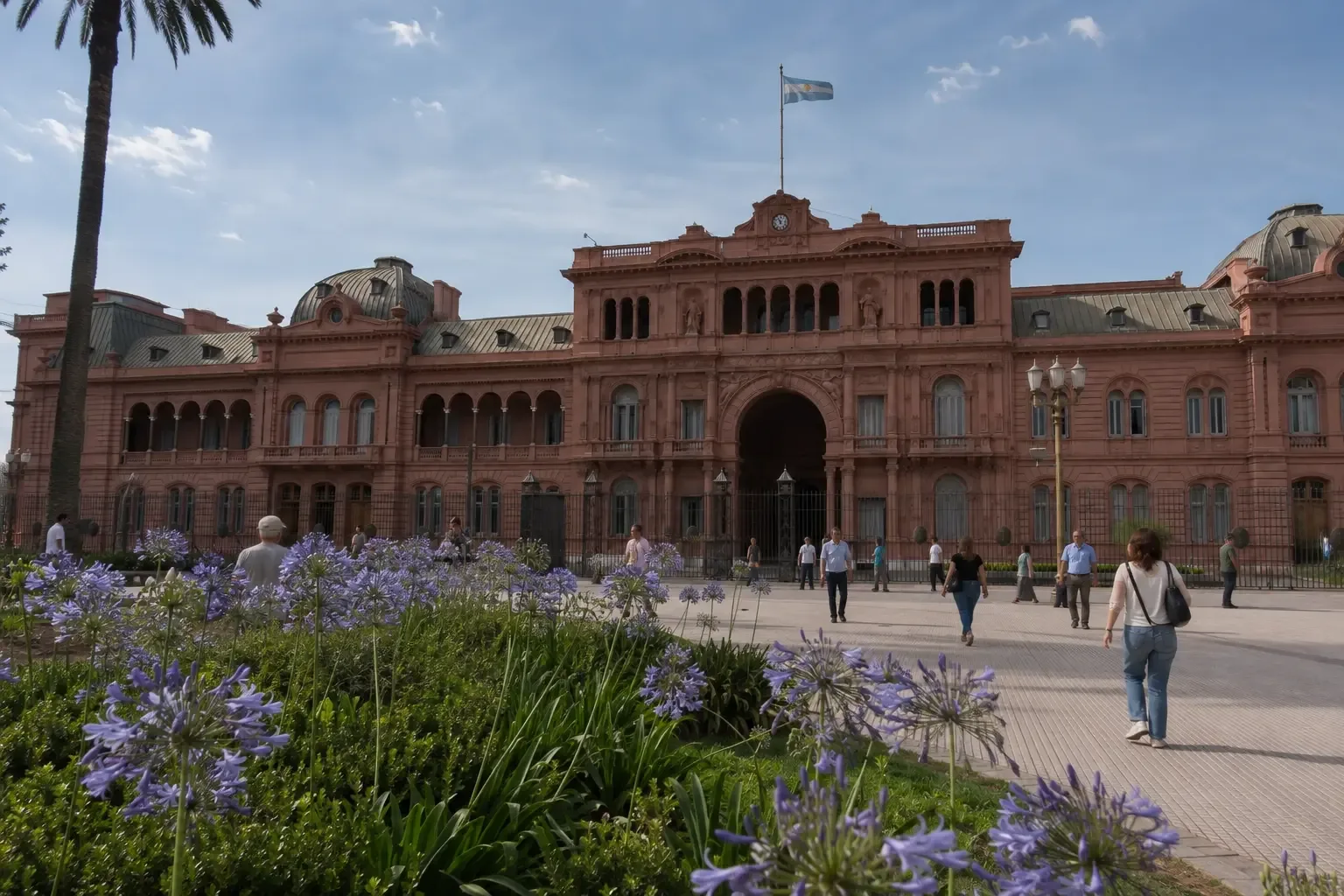
The Casa Rosada is Argentina’s presidential headquarters and one of the most recognizable buildings in the country. English-speaking travelers often search for it as the Pink House in Buenos Aires, while “Pink Palace” is also used informally. Its distinctive façade faces Plaza de Mayo and occupies a site connected with earlier fortifications and government buildings.
The balcony is central to Argentina’s political imagery. It has been used for major public addresses and was also used during the filming of the 1996 movie Evita, when Madonna performed “Don’t Cry for Me Argentina.” The film connection is memorable, but the building’s deeper significance comes from its role in the country’s political history.
The Mothers of Plaza de Mayo and the disappeared
Plaza de Mayo is inseparable from the Mothers of Plaza de Mayo. During Argentina’s last military dictatorship, women began gathering in the square to demand information about their children and relatives who had been forcibly disappeared. Their white headscarves became an international symbol of memory and human rights.
Learning this history in the square gives visitors essential context for understanding the dictatorship, state terrorism and the continuing public debate over the disappeared. A responsible guide can explain the movement with care, distinguish different organizations that emerged over time and show why memory remains visible in the physical space of the plaza.
Buenos Aires Metropolitan Cathedral and Pope Francis
The Buenos Aires Metropolitan Cathedral stands on the edge of Plaza de Mayo. Its classical façade resembles a civic building more than a conventional cathedral, making it an important stop for visitors interested in architecture as well as religion.
Before becoming Pope Francis, Jorge Mario Bergoglio served as Archbishop of Buenos Aires and celebrated Mass here. The cathedral is also home to the mausoleum of General José de San Martín, a central figure in the independence of Argentina, Chile and Peru. These connections make the building relevant to both national and contemporary religious history.
The Cabildo
The Cabildo is a surviving symbol of Spanish colonial administration and the May Revolution. Although the building was altered and reduced as the city changed, it remains one of the clearest architectural links to the events that led toward Argentine independence. It is especially rewarding for visitors interested in colonial institutions and the formation of the nation.
San Telmo and its colonial streets
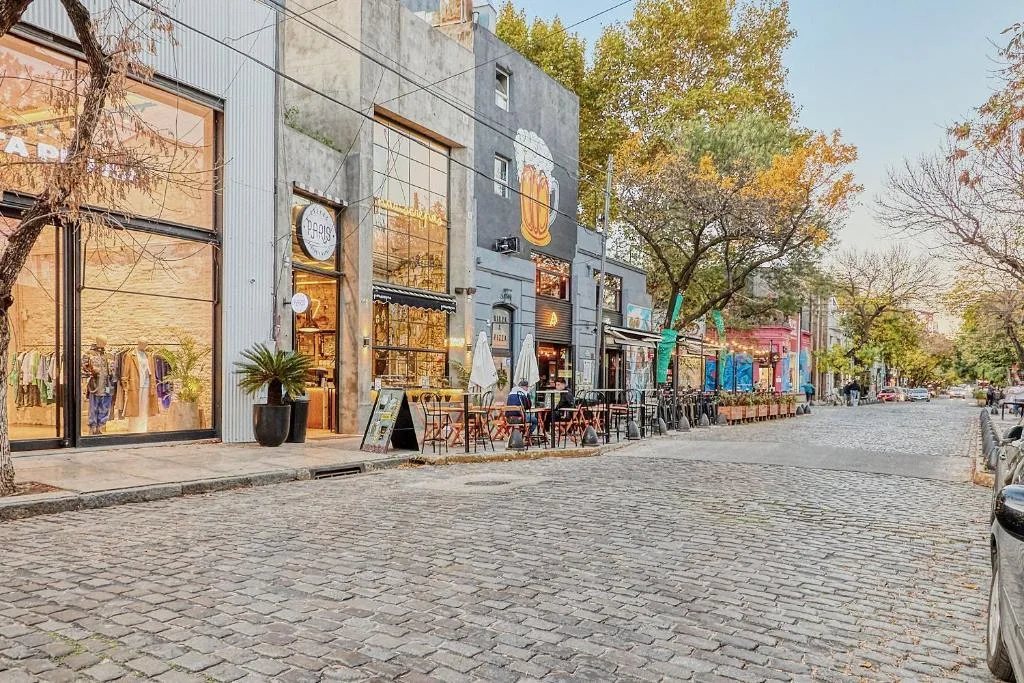
San Telmo is one of the oldest neighborhoods in Buenos Aires. Its narrow streets, low-rise buildings, churches, courtyards and former residences preserve traces of the colonial city. After yellow-fever epidemics accelerated the movement of wealthier families northward in the nineteenth century, many large homes became multi-family tenements for immigrants.
San Telmo Market and the antique tradition
The San Telmo Market is a historic covered market opened in 1897. It was designed by architect Juan Antonio Buschiazzo, an Italian-born professional who played an important role in the modernization of Buenos Aires. Its iron structure reflects the industrial architecture of the period, while the stalls show how an old neighborhood market has adapted to new generations of residents and visitors.
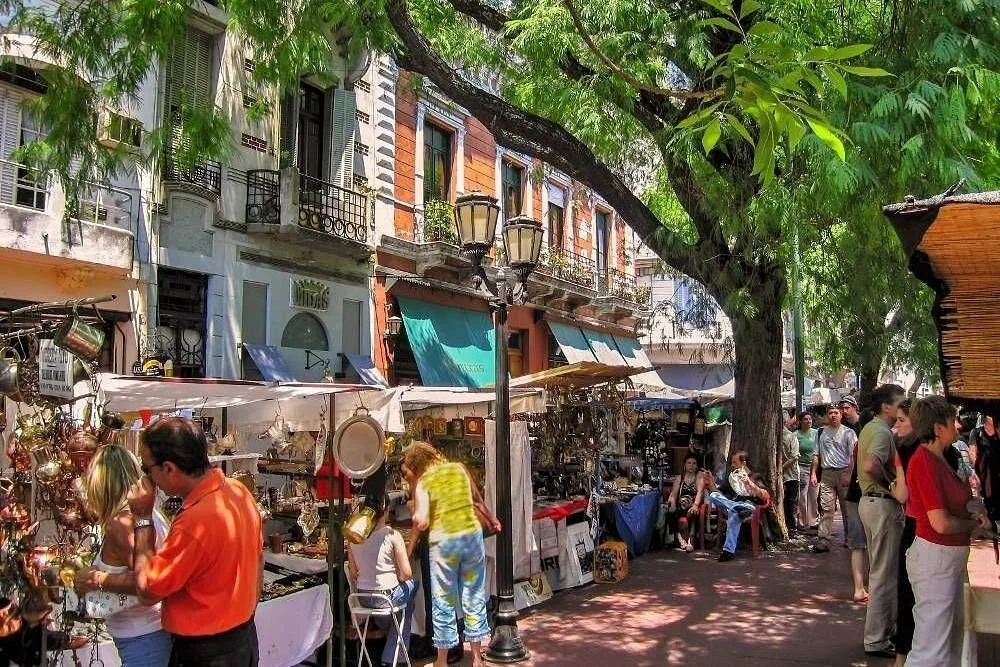
San Telmo is also famous for its antique market and the Sunday fair centered around Plaza Dorrego. Searches such as San Telmo Sunday Market often lead travelers to the outdoor fair, while the historic indoor market is a separate landmark. Antique shops, vintage objects and street performances connect the neighborhood’s present identity with its long commercial history. A local guide can help distinguish authentic historical elements from later reinventions of “old Buenos Aires.”
La Boca and its immigrant history
La Boca Buenos Aires developed near the old port and became closely associated with working-class immigrant communities, particularly immigrants from Genoa. The neighborhood’s history includes dock labor, mutual-aid societies, popular theater, football and political organization.
Caminito and the colorful buildings of La Boca
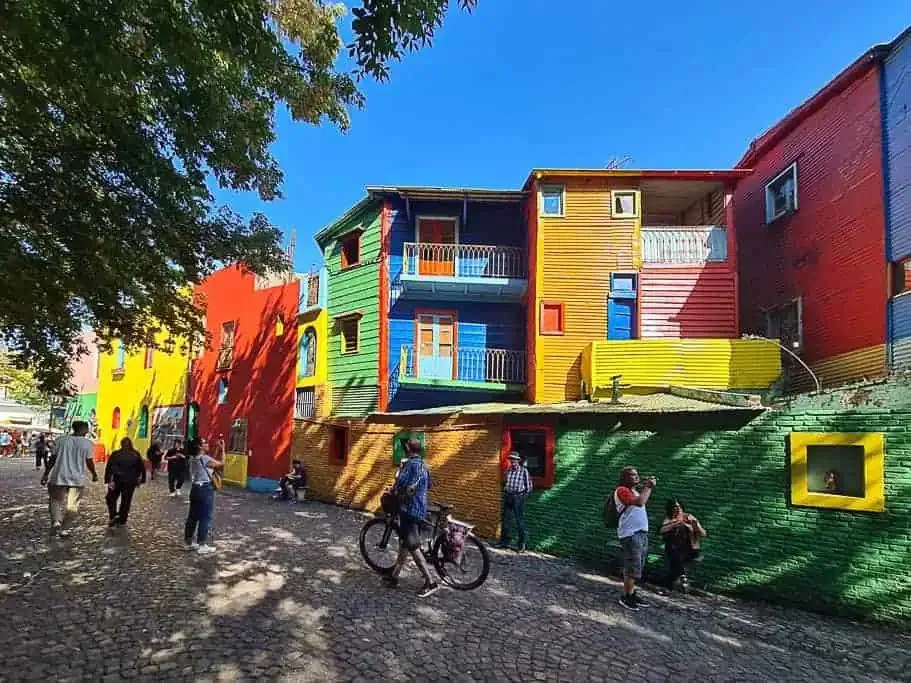
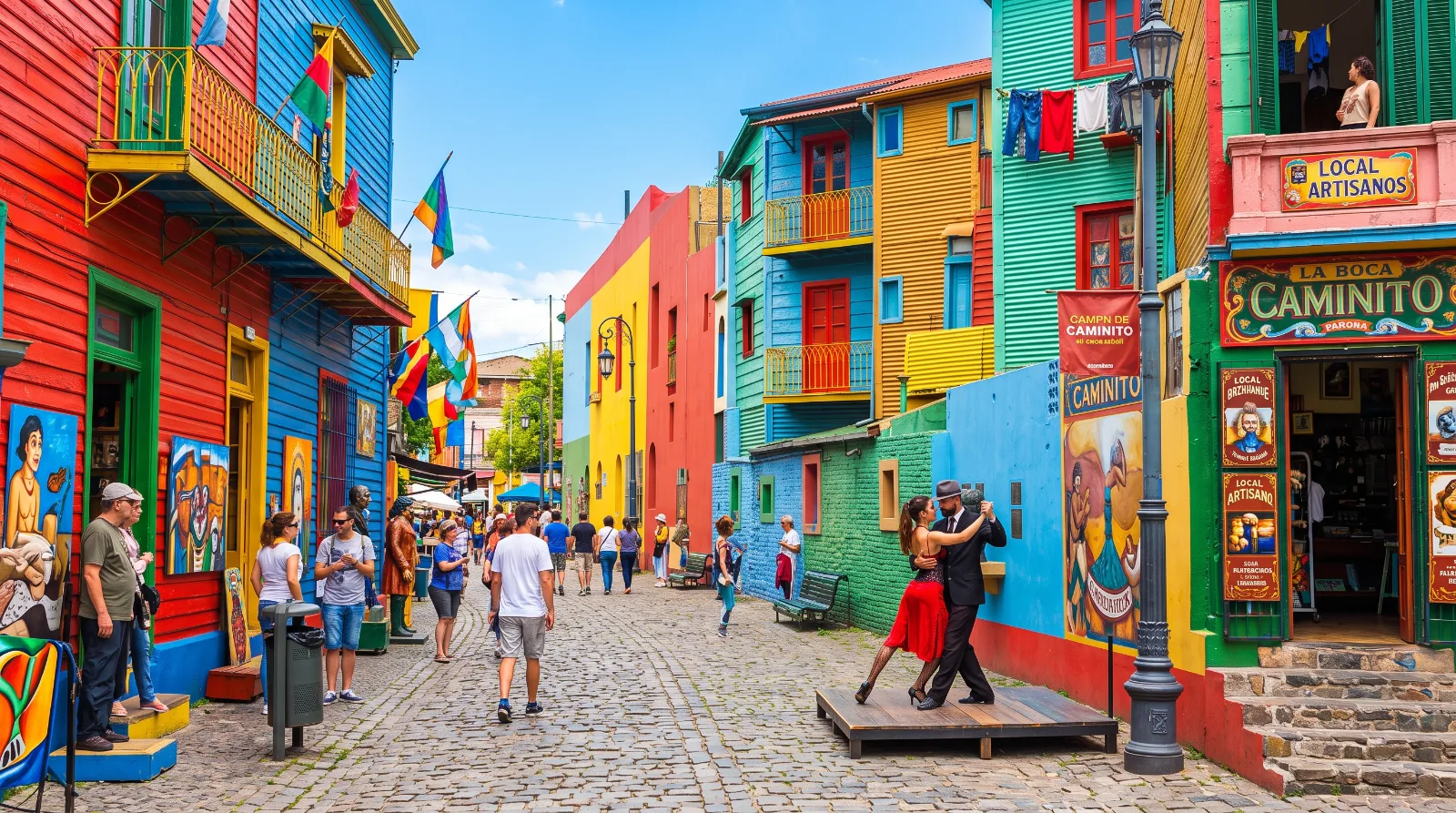
Caminito Buenos Aires is the best-known section of La Boca and the image most visitors associate with this colorful neighborhood. Its colorful buildings, corrugated-metal façades and painted balconies create one of the city’s most photographed streets.
The colors are often linked to the practical reuse of leftover marine paint by local residents, though today’s appearance also reflects a twentieth-century cultural project led by artist Benito Quinquela Martín and other community figures. Caminito is both connected to immigrant history and deliberately shaped as an open-air cultural landmark. Visitors interested in urban culture, photography, immigration and tango can enjoy the area, while a guide can explain the broader history of La Boca beyond its most tourist-oriented streets.
Recoleta and its historic cemetery
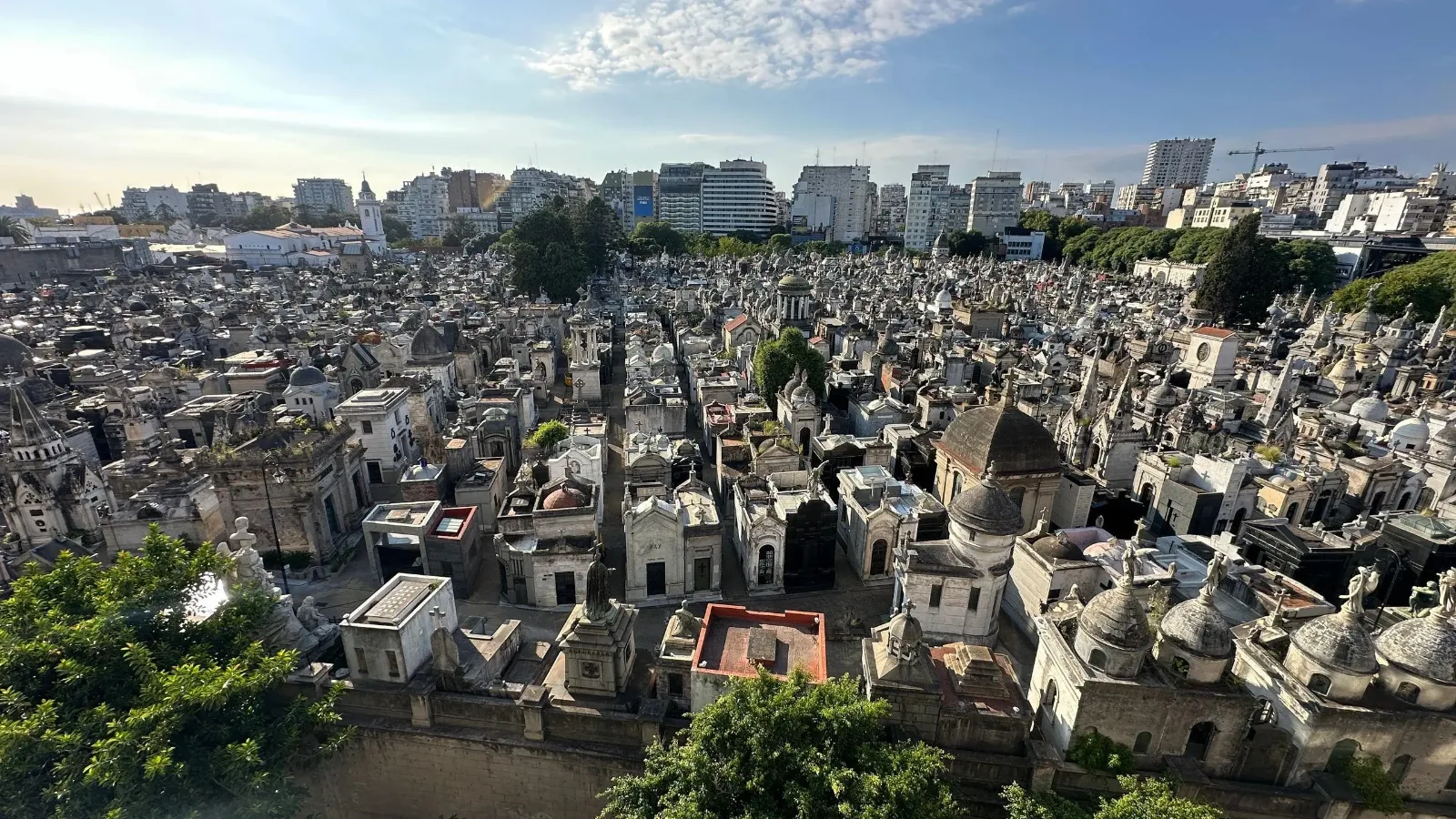
Recoleta Cemetery is one of the most important historical sites in Buenos Aires. Rather than a conventional cemetery landscape, it resembles a small city of mausoleums, with narrow passages and elaborate funerary architecture in styles ranging from Neoclassical to Art Nouveau and Art Deco.
Why it is called Recoleta Cemetery
Travelers sometimes misspell or mishear the name as “Rigolleto,” “Riggolleta” or similar variations. The correct name is Recoleta Cemetery, or Cementerio de la Recoleta. “Recoleta” comes from the Franciscan Recollect friars who established a convent and church in the area. The cemetery opened beside the Church of Our Lady of the Pillar in the early nineteenth century.
That origin explains both the cemetery’s name and the identity of the surrounding Recoleta neighborhood. Using the correct spelling also helps travelers find reliable information and relevant options for a Recoleta Cemetery tour.
Eva Perón’s grave and the stories behind the mausoleums
The cemetery contains the tombs of presidents, military leaders, writers, scientists and influential families. The most searched-for site is the Eva Perón grave, located in the Duarte family mausoleum. Her burial story reflects Argentina’s political divisions and the extraordinary journey of her remains after the 1955 coup.
Recoleta Cemetery rewards visitors interested in architecture, political history and personal stories. Its value is not limited to finding famous graves: inscriptions, symbols and family mausoleums reveal how prominent Argentines represented status, memory and national identity. A knowledgeable local guide can help visitors navigate the dense layout and choose stories that match their interests without claiming that every guide is a specialist historian.
Historic architecture and landmarks
Buenos Aires architecture reflects colonial precedents, nineteenth-century European influence and the city’s rapid expansion around 1900. French-inspired palaces, Italianate façades, civic monuments, iron market structures and ornate mausoleums appear across the historical neighborhoods.
Plaza de Mayo concentrates government and religious architecture. San Telmo combines colonial-scale streets with later commercial buildings. La Boca shows how industrial materials and immigrant communities shaped a port neighborhood. Recoleta reflects the ambitions of wealthy families through residences, public buildings and funerary art. Looking across these areas helps visitors see architecture as evidence of social and political change rather than simply as decoration.
A one-day historical itinerary
A practical historical route begins at Plaza de Mayo, where the Casa Rosada, Metropolitan Cathedral and Cabildo introduce Argentina’s political, religious and independence history. From there, continue south through the historic center toward San Telmo, using the streets and surviving buildings to trace the transition from the colonial city to the immigrant metropolis.
In San Telmo, include the historic market, Plaza Dorrego and selected streets or churches that support the story of the neighborhood. Then choose La Boca if your priority is immigration, port history and the colorful buildings of Caminito, or Recoleta if your priority is funerary architecture, national figures and the story of Eva Perón.
An optional extension can focus on another confirmed landmark in the historic center or on architectural details along the route. The purpose is to create a clear historical sequence, not a checklist. Discover more things to do in Buenos Aires: https://holaguides.com/travel-guides/things-to-do-in-buenos-aires-markets-evita
What can a private historical tour add?
A private tour can connect sites that belong to different periods and neighborhoods. The main benefits include context about the places visited; connections between colonial history, independence, immigration, political movements and modern culture; a route adapted to the visitor’s available time and priorities; opportunities to ask questions and focus on personal interests; and a clearer understanding of architecture, social change and neighborhood identity.
Tour content varies by guide and product. Visitors should review the published itinerary rather than assume every historical tour includes the same sites. Explore Buenos Aires with a local guide: — Browse private tours in Buenos Aires.
How to choose a historical tour
Compare the neighborhoods included, overall duration, level of walking and language offered. Check the group size, the guide’s profile and whether the published tour allows the route to be adapted.
Transportation or pickup should only be expected when the tour page specifically confirms it. The same applies to admissions and interior visits. A clear itinerary should show whether the experience concentrates on one neighborhood or connects several historical areas.
How to book
1. Review the tour page and the guide’s profile.
2. Check the published itinerary, duration and price.
3. Send a booking request through HolaGuides.
4. Ask the guide about priorities, meeting details and unanswered questions.
5. Confirm the experience through the platform.
Frequently asked questions
What are the most important historical sites in Buenos Aires?
Plaza de Mayo, the Casa Rosada, the Metropolitan Cathedral, the Cabildo, San Telmo Market, Caminito in La Boca and Recoleta Cemetery are among the most significant sites developed in this guide.
Which historic neighborhoods should visitors explore?
The historic center around Plaza de Mayo, San Telmo, La Boca and Recoleta each explain a different part of the city’s history, from colonial government and independence to immigration, port culture and elite architecture.
Can I visit Buenos Aires historical sites in one day?
Yes. A focused route can combine Plaza de Mayo and San Telmo with either La Boca or Recoleta. Choosing sites around a clear theme usually produces a more informative visit than trying to cover every landmark.
Is a private historical tour worthwhile?
It can be useful for visitors who want connections between different periods, personalized explanations and the opportunity to ask questions. The value depends on the guide, itinerary and visitor’s interests.
How much walking is involved?
Walking levels vary. Plaza de Mayo and San Telmo can involve extended time on foot and uneven pavements, while routes connecting La Boca or Recoleta may also use transportation. Confirm the exact format on the tour page.
Can the itinerary be adapted to my interests?
Some private tours can be adjusted, but flexibility depends on the guide and the published product. Mention your interests when sending the booking request and confirm any changes before booking.
What should I confirm before booking?
Confirm the itinerary, duration, price, language, walking level, meeting point, group size and whether transportation or admissions are included. Review the guide’s profile and clarify remaining details through the booking request.