Buenos Aires is a city of contrasts: grand avenues and intimate streets, European-inspired architecture and colorful port neighborhoods, elegant gardens and lively markets. A private tour lets you connect these places through the stories of the people who shaped them, while setting a pace that works for you.
If you are deciding what to see in Buenos Aires, these highlights are a good starting point. You can build a route around history, art, food, architecture, or simply the neighborhoods you most want to explore. A local guide can help you choose a sensible itinerary instead of trying to fit every stop into one day.
Plaza de Mayo: Where Argentine History Unfolds
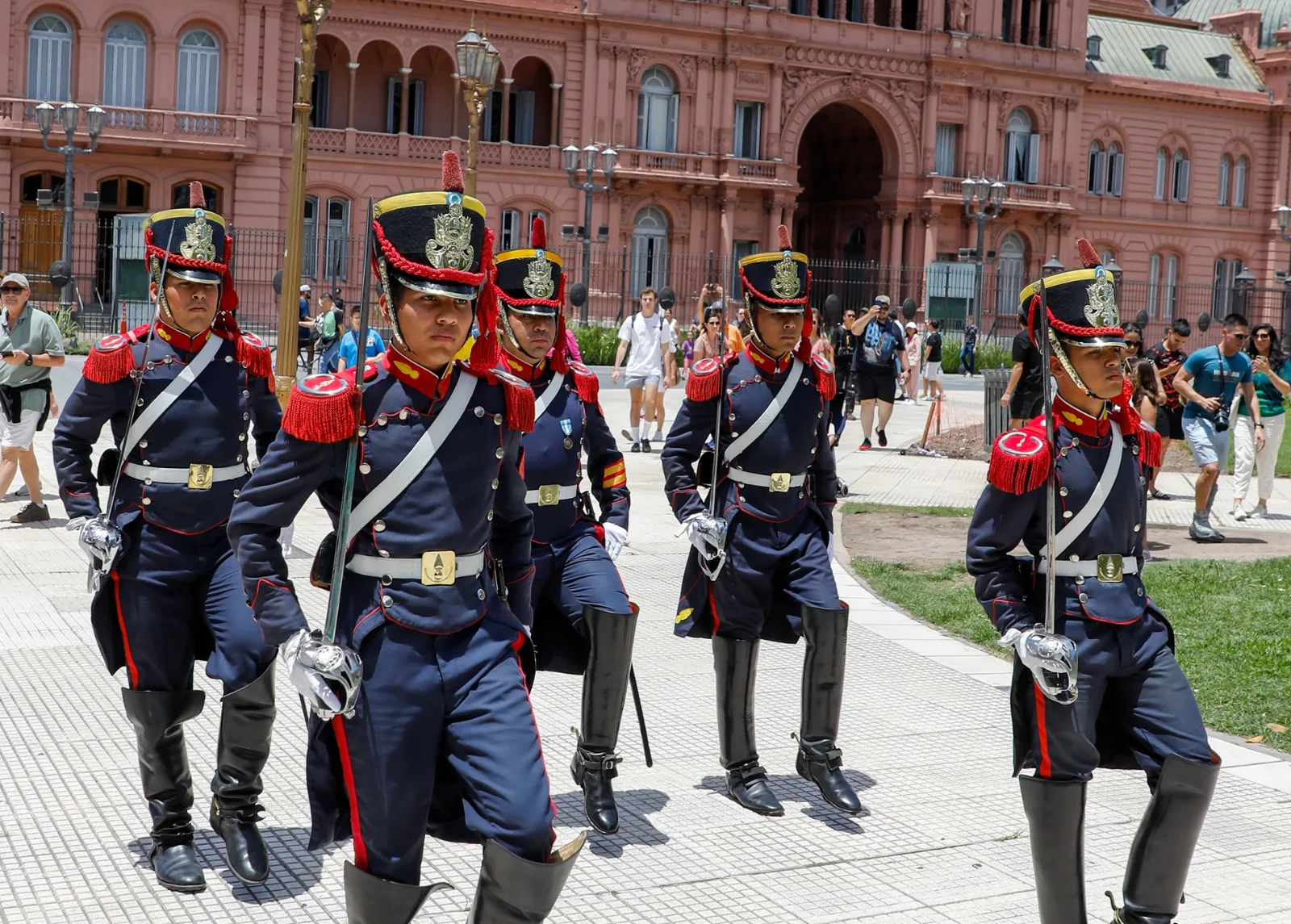
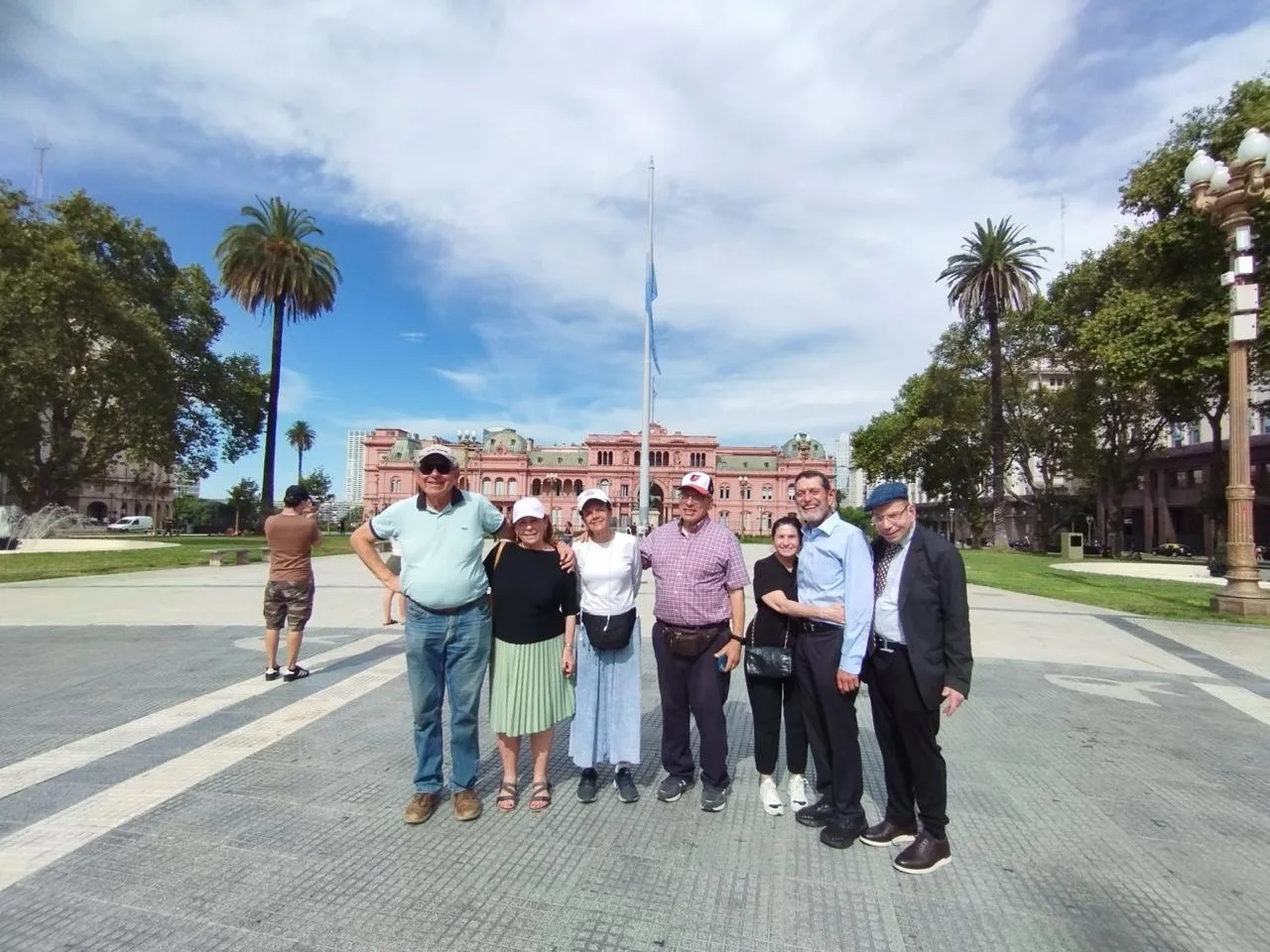
Plaza de Mayo is the civic heart of Buenos Aires. The Casa Rosada faces the square, while the Metropolitan Cathedral and the Cabildo reveal different chapters of the city’s past. This is a place to discuss independence, political change, public demonstrations, and the Mothers of Plaza de Mayo. It is one of the most meaningful Buenos Aires landmarks to visit with someone who can put what you see into context.
La Boca: Color, Art, and the Port’s Immigrant Past
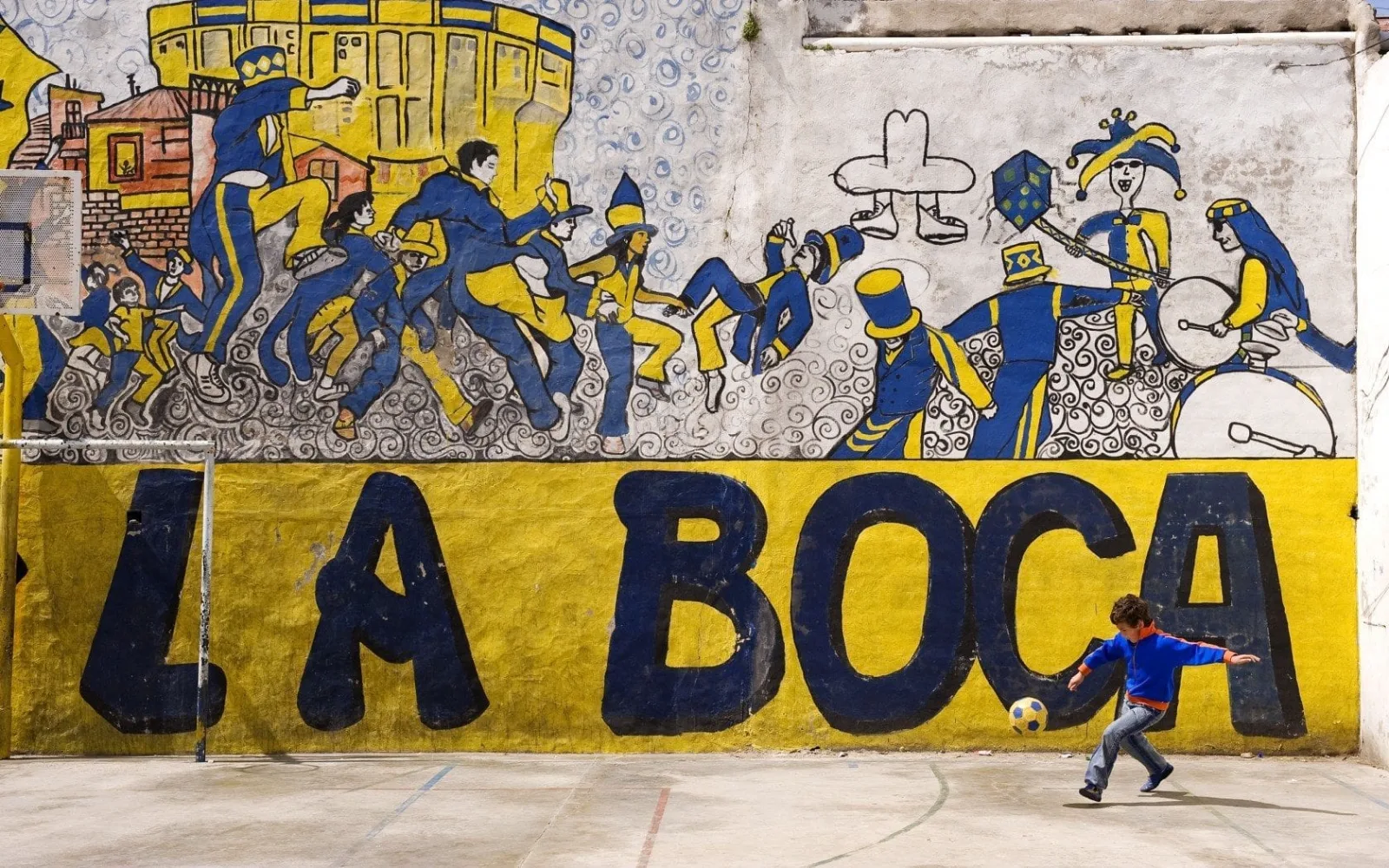
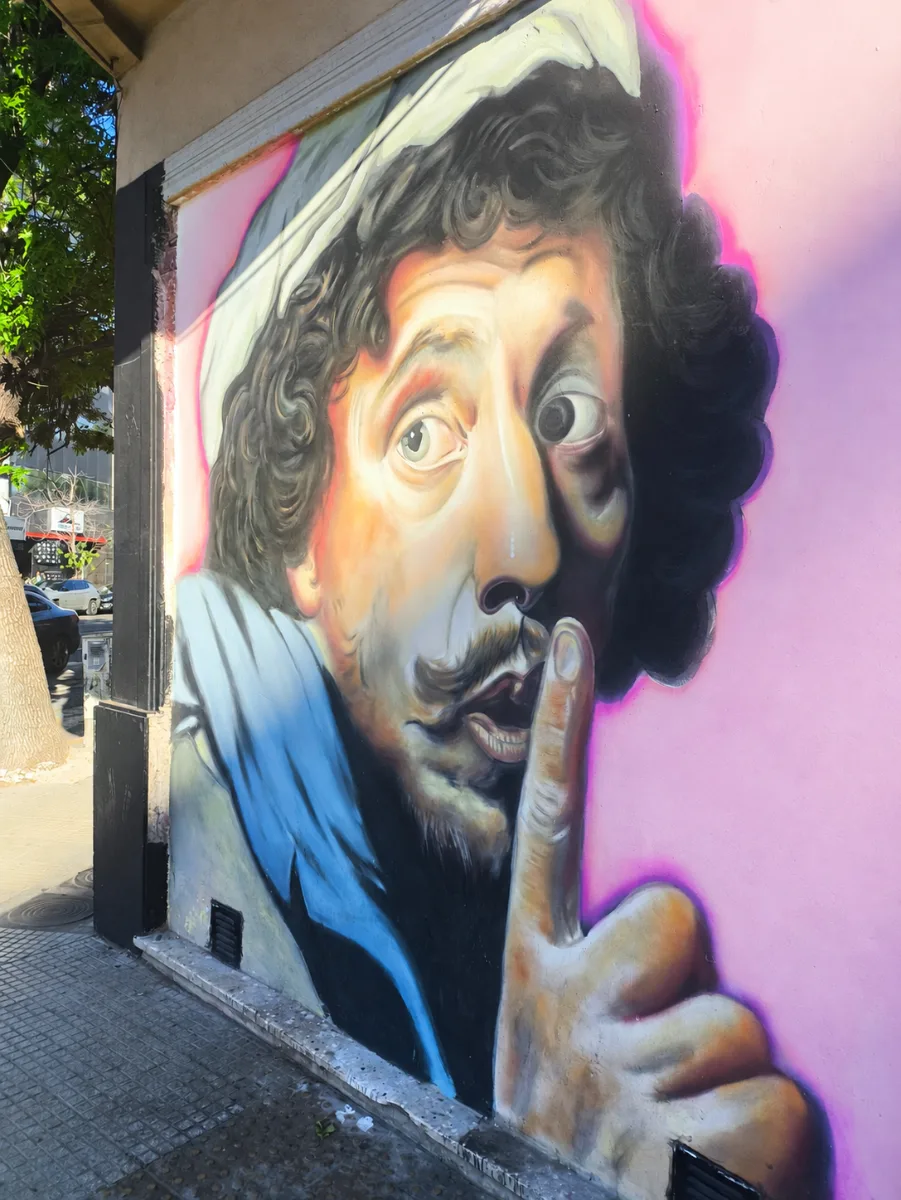
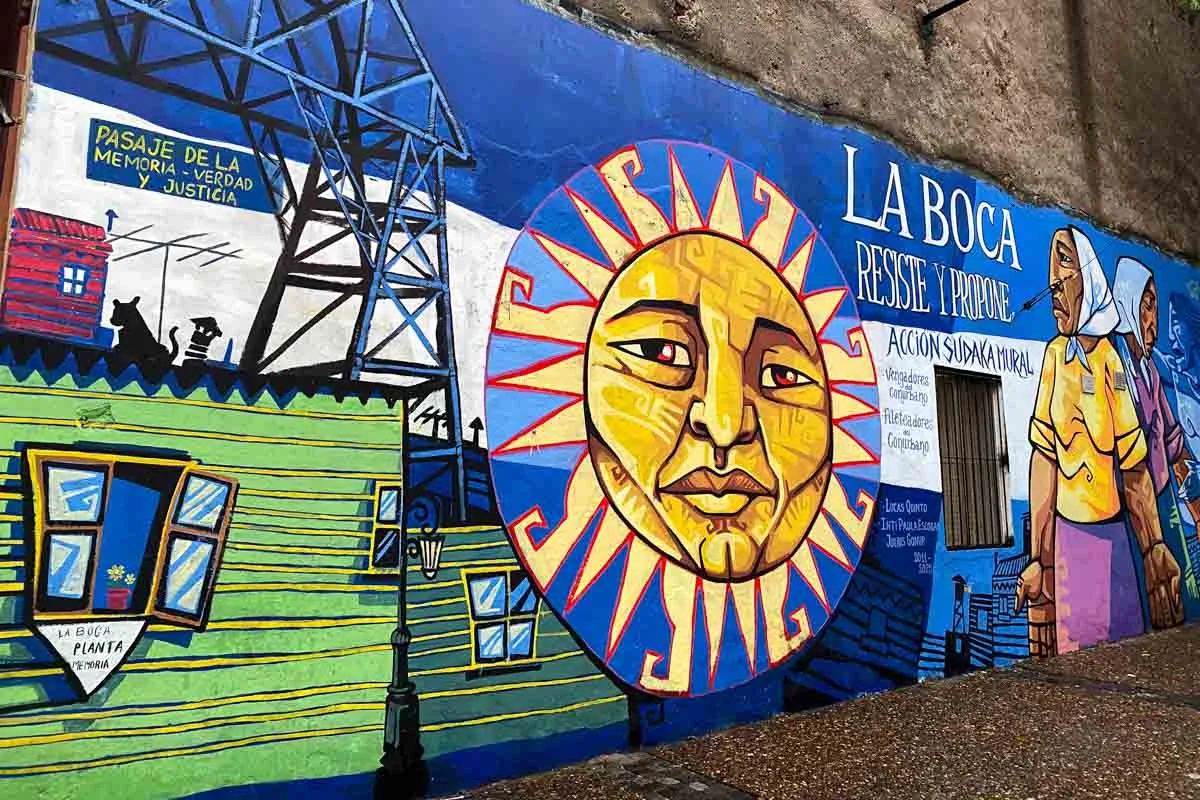
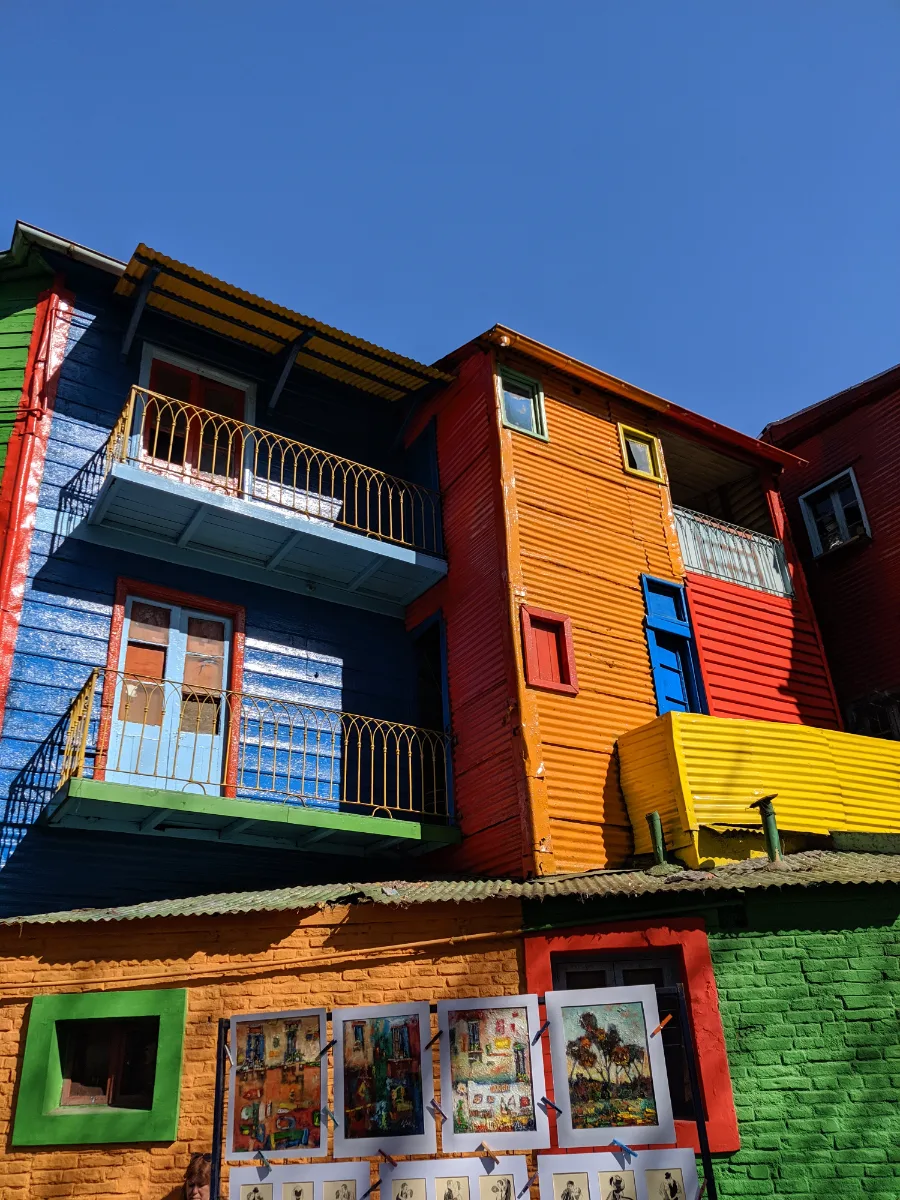
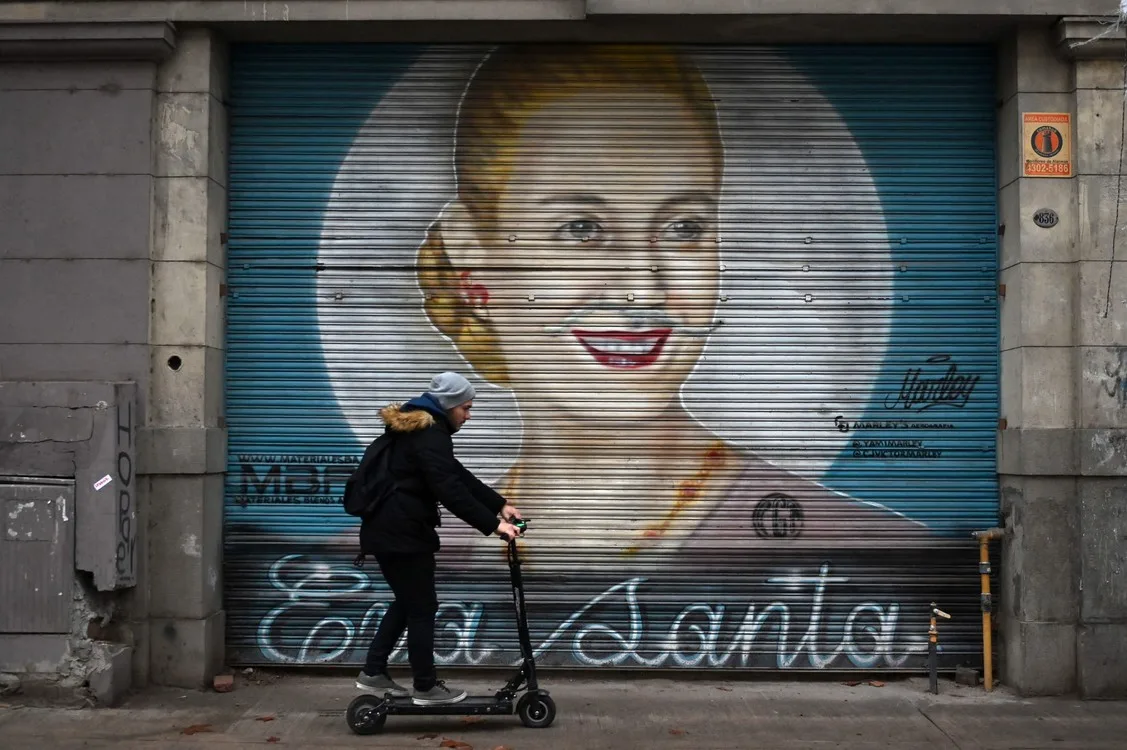
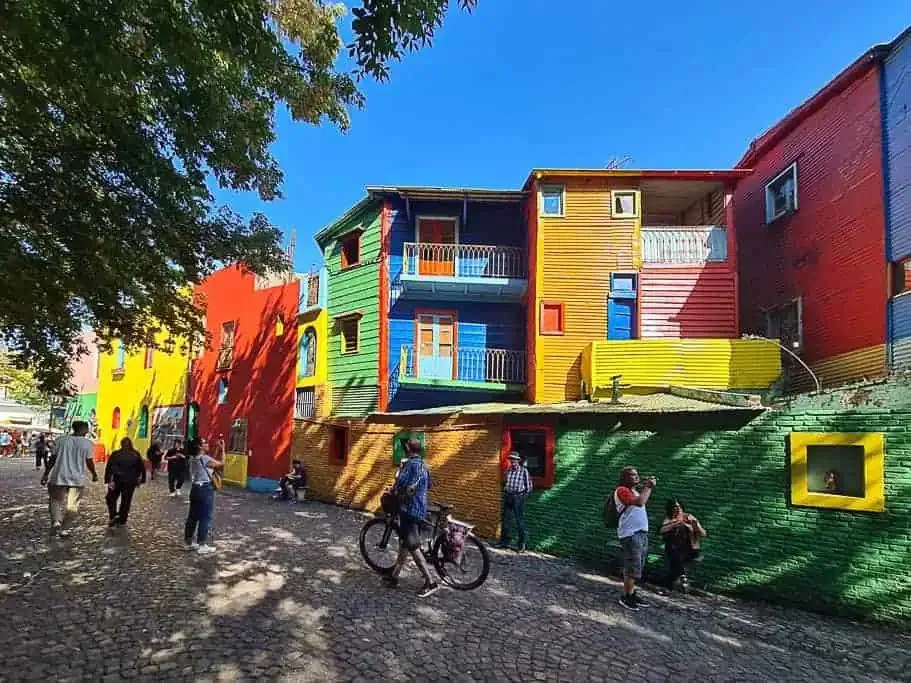
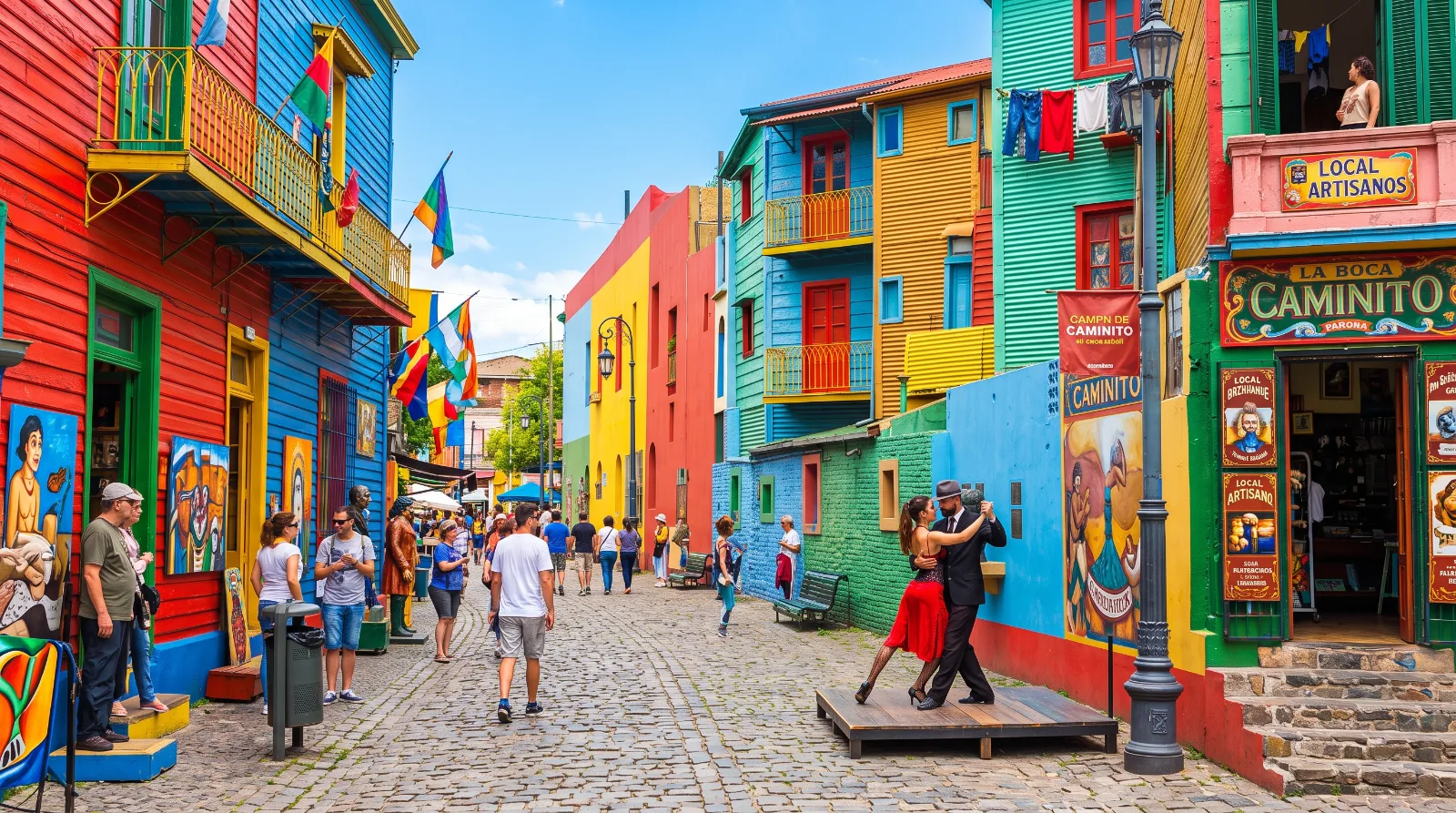
La Boca is famous for the bright facades of Caminito, but its story goes well beyond the postcard view. The neighborhood grew around the port, and its immigrant history lives on in its streets, art, and football culture. A private walk can connect the painted buildings and local murals with the stories behind them. It also gives you time to explore beyond the busiest stretch of Caminito.
Recoleta: Architecture and Everyday Elegance
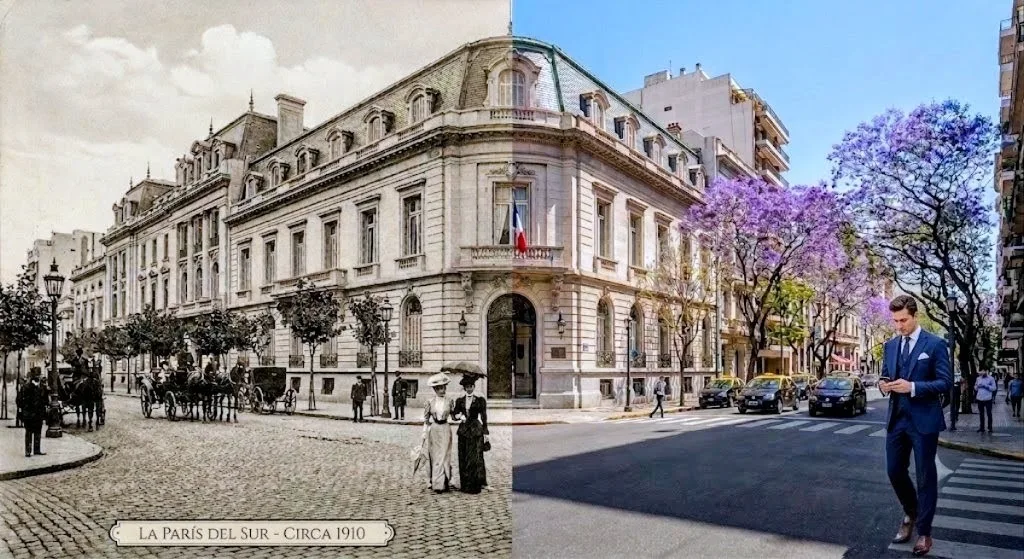
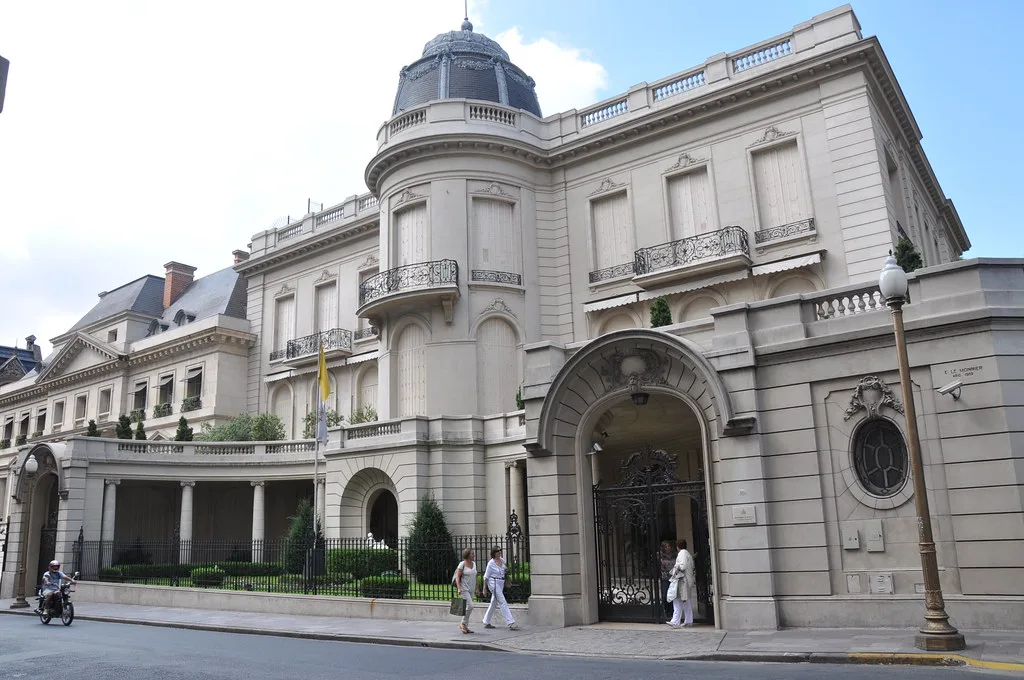
Recoleta rewards a slower walk. Its broad avenues, stately residences, cafés, and leafy squares tell the story of how Buenos Aires expanded northward and how its affluent families imagined a modern capital. A guide can bring the architecture into focus while leaving room for a coffee break or a visit to a nearby museum. Recoleta also makes a natural route with the cemetery, Floralis Genérica, and El Ateneo Grand Splendid.
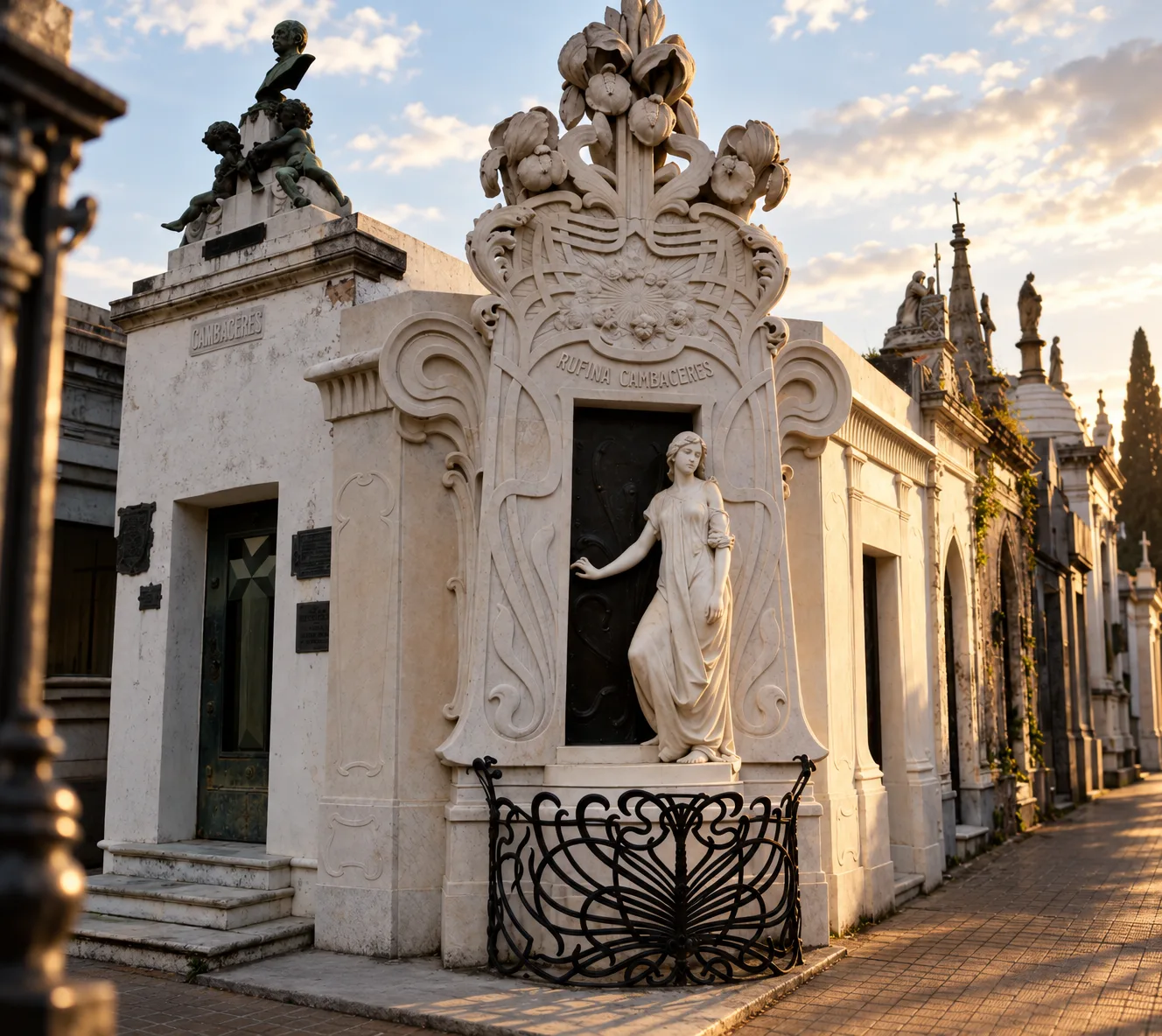
Recoleta Cemetery: A City Within the City
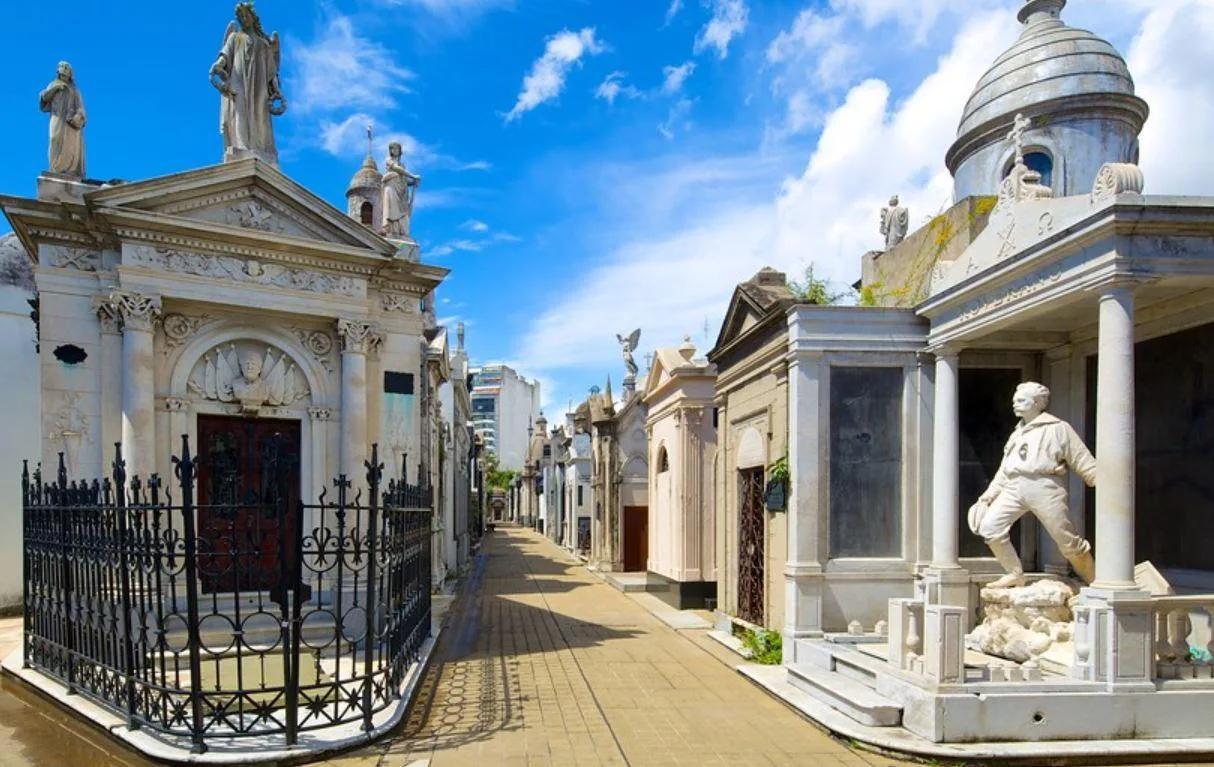
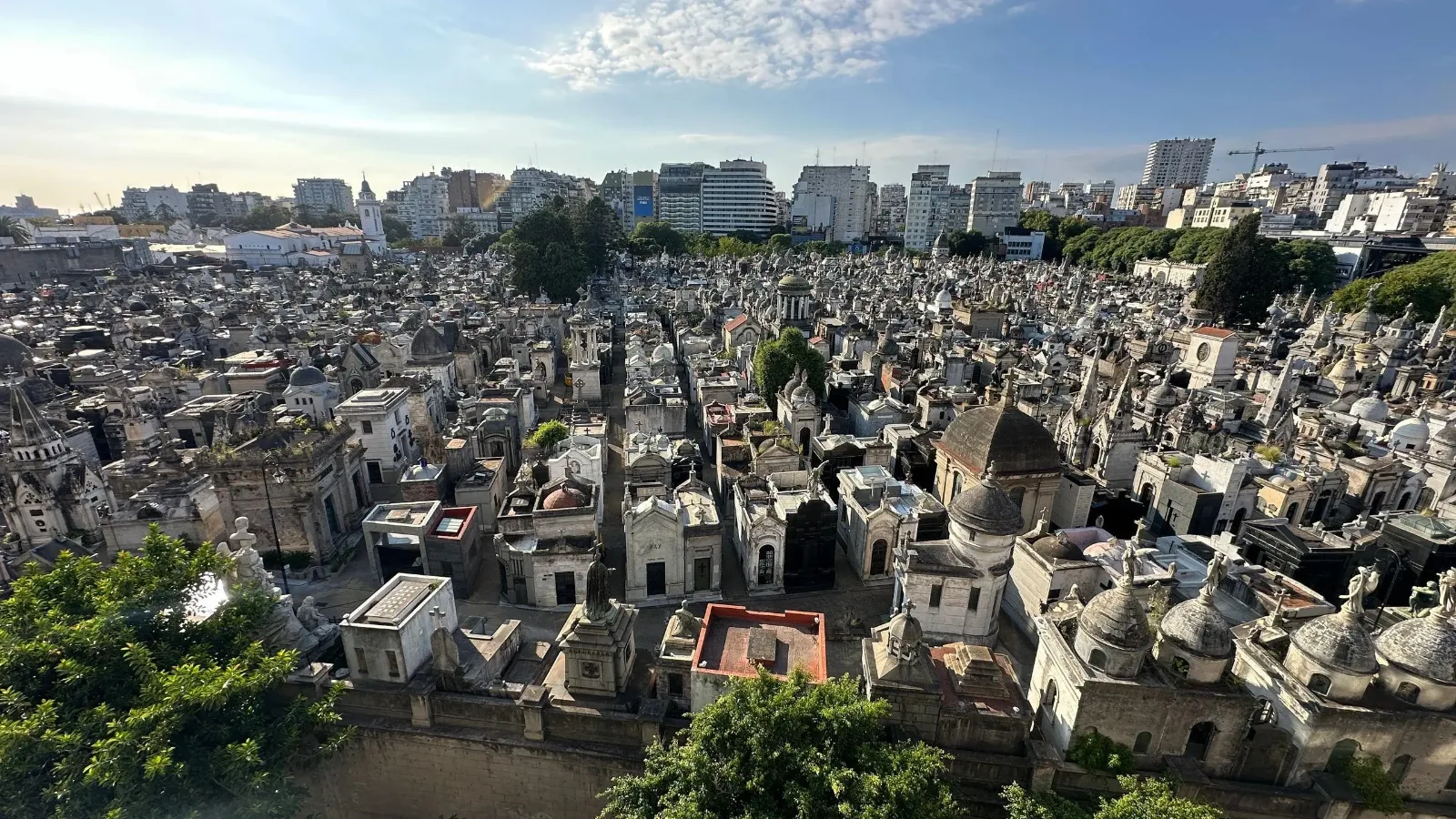
Recoleta Cemetery is a maze of elaborate mausoleums, sculptures, and narrow lanes. Eva Perón’s tomb draws many visitors, but the cemetery has many other stories to tell about politics, migration, family fortunes, and changing artistic tastes. Exploring it with a local guide turns a striking collection of monuments into a deeper introduction to Argentine history. Check admission arrangements when planning your visit.
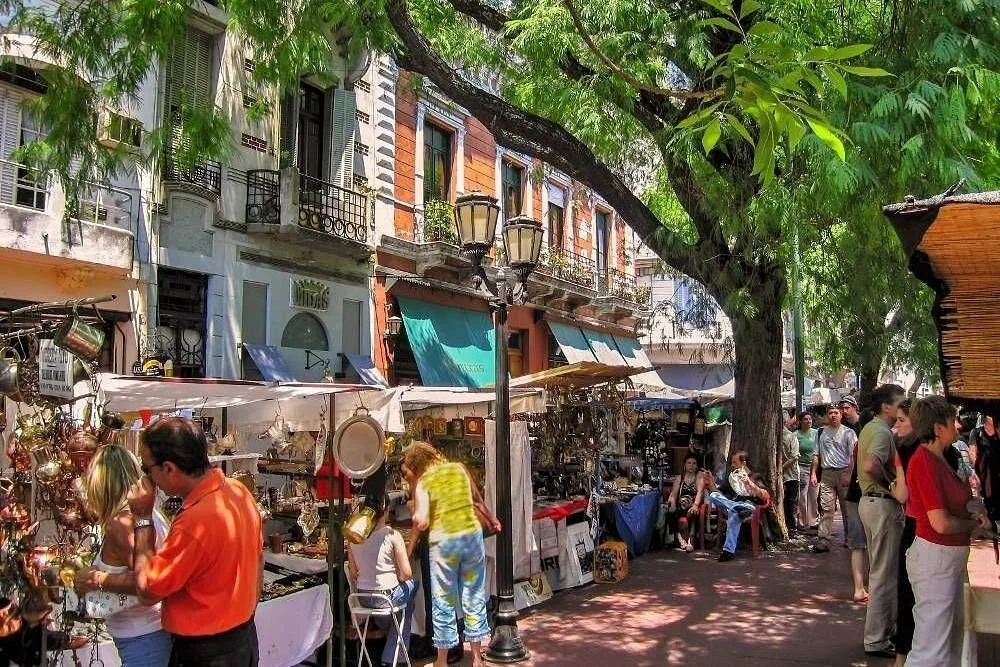
San Telmo: Old Streets and Living Traditions
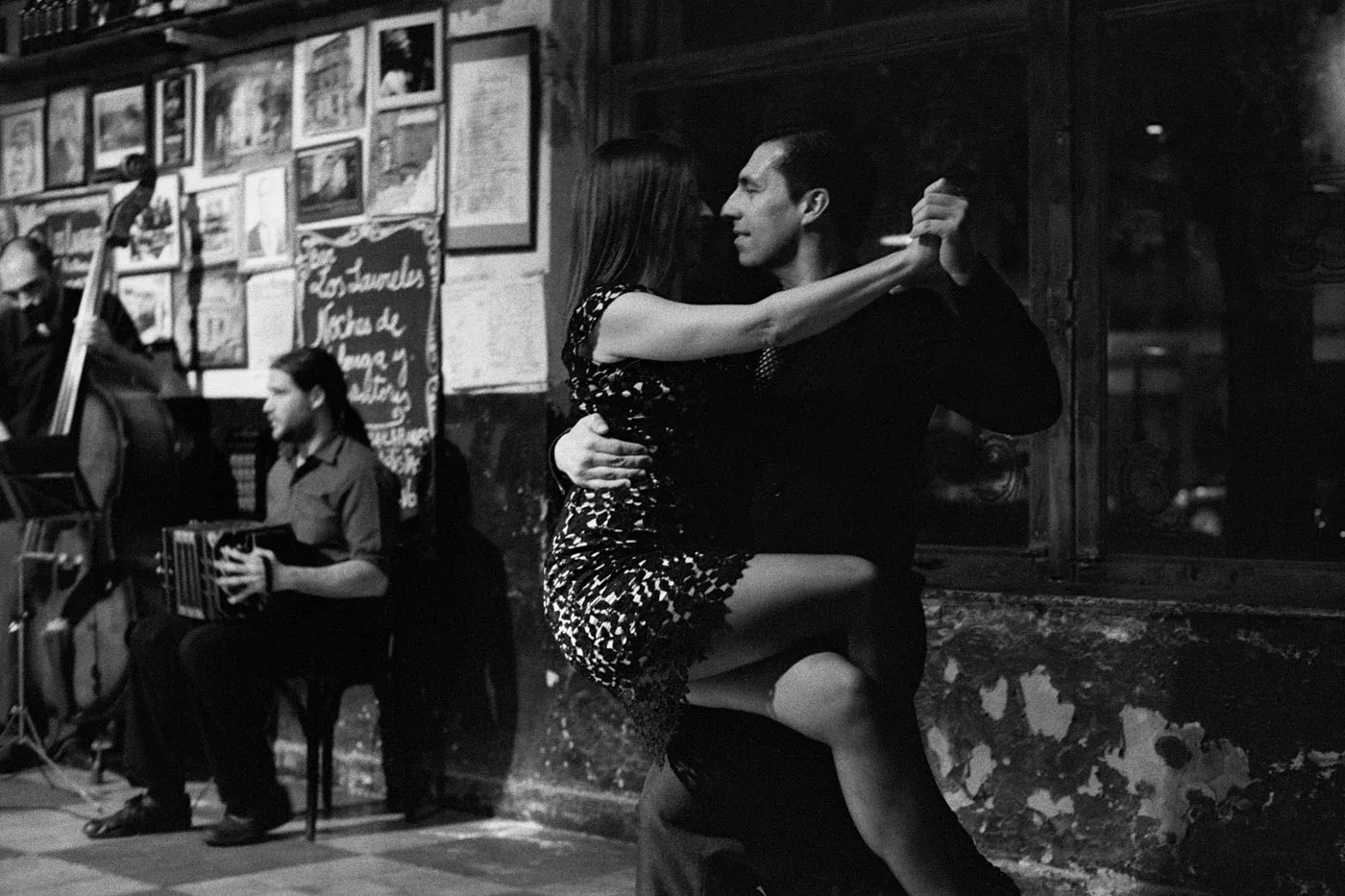
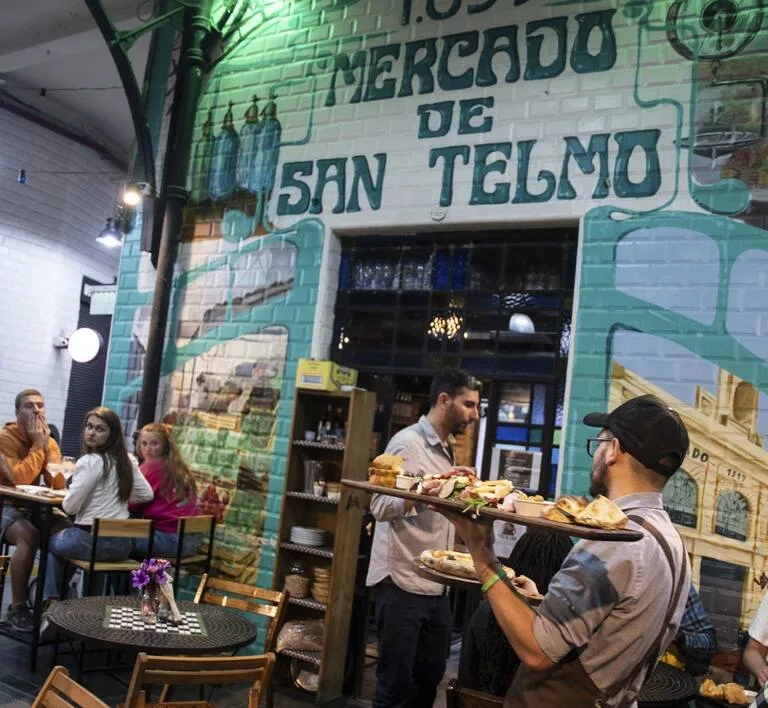
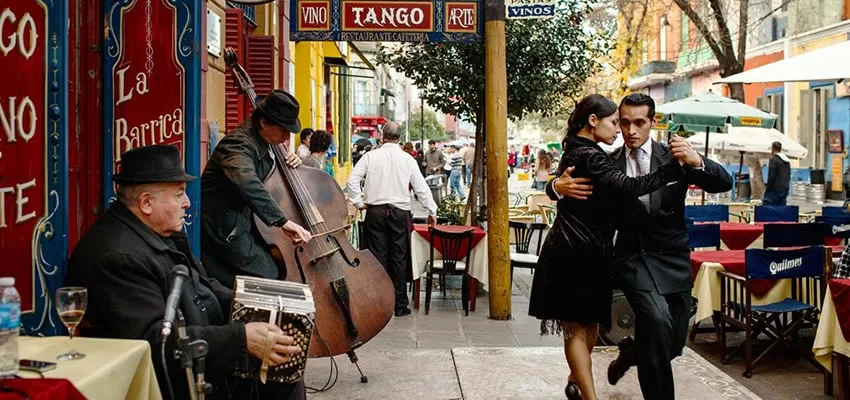
San Telmo combines historic buildings, antiques, cafés, street art, and a strong connection to tango. Around Plaza Dorrego and the surrounding streets, there is plenty to notice beyond the best-known market scenes. A private tour can follow the neighborhood’s changes over time while making space to browse, stop for a snack, or linger where something catches your eye.
El Rosedal: A Breather in Palermo
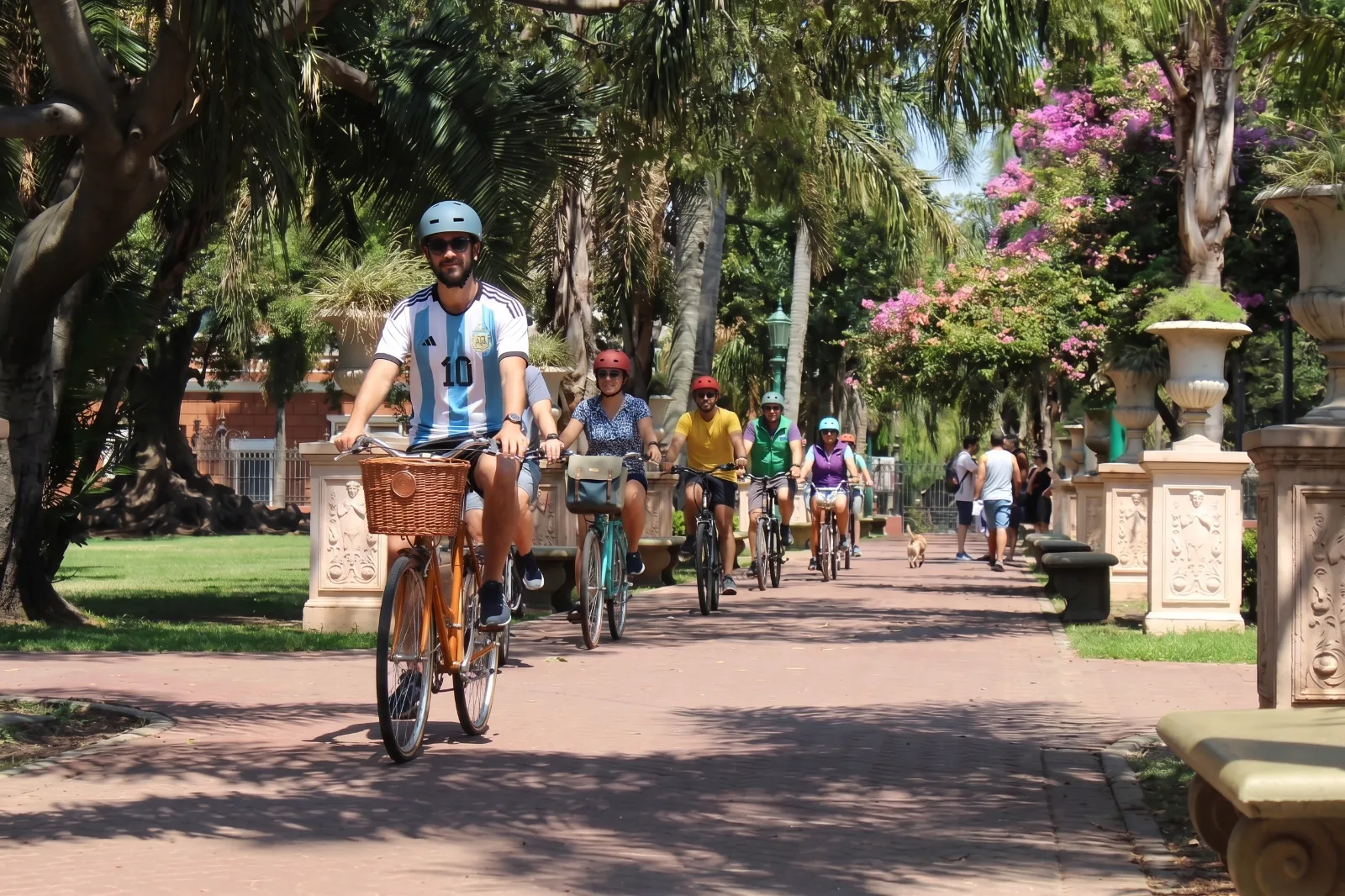
After the energy of the city center, El Rosedal offers a change of rhythm. This rose garden sits within Palermo’s expansive parklands, surrounded by paths, water, and greenery. It is a pleasant stop for travelers who want a gentler stretch of the day or a route that balances sightseeing with time outdoors. The garden fits especially well with other Palermo highlights.
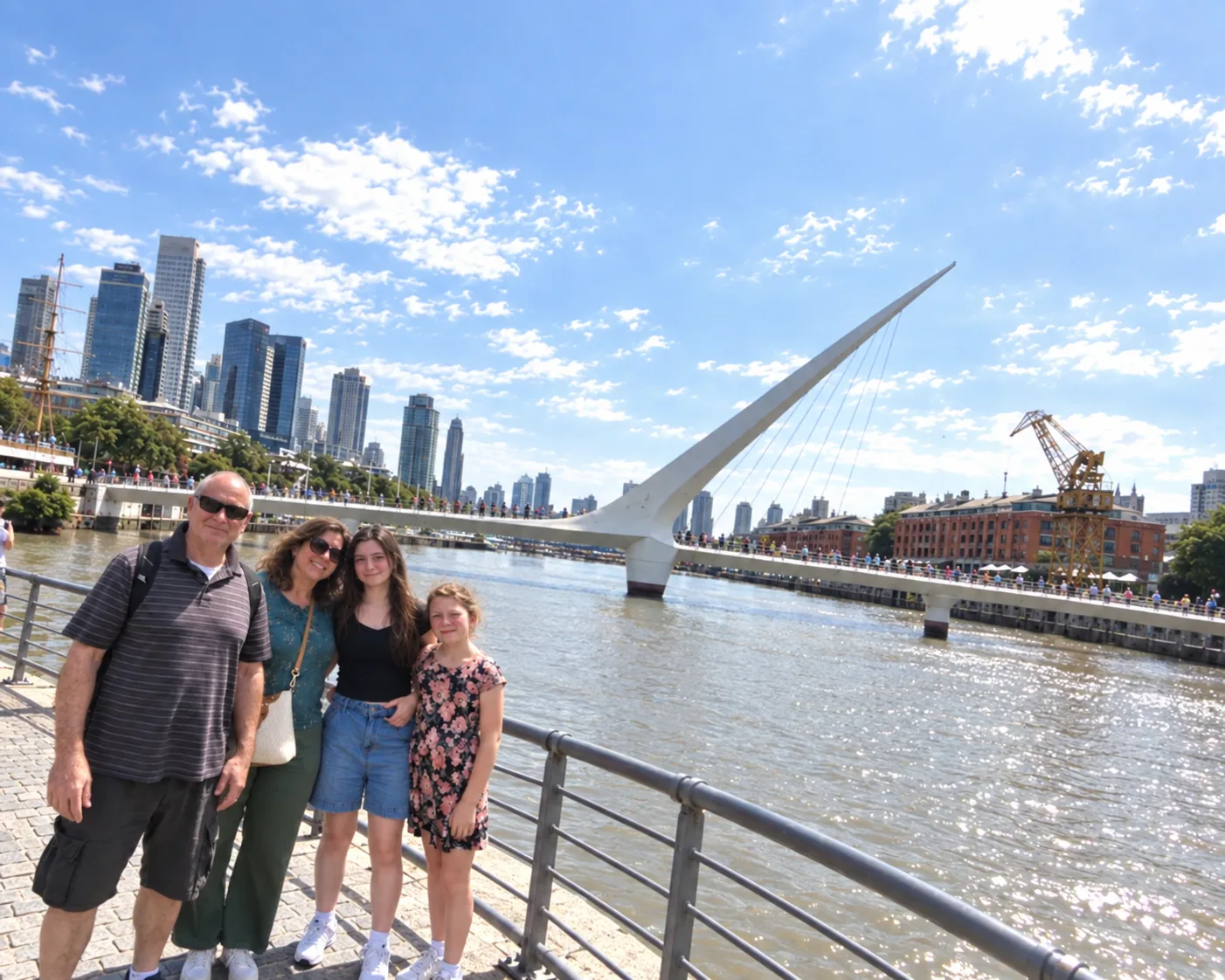
Puerto Madero: A New Chapter on the Waterfront
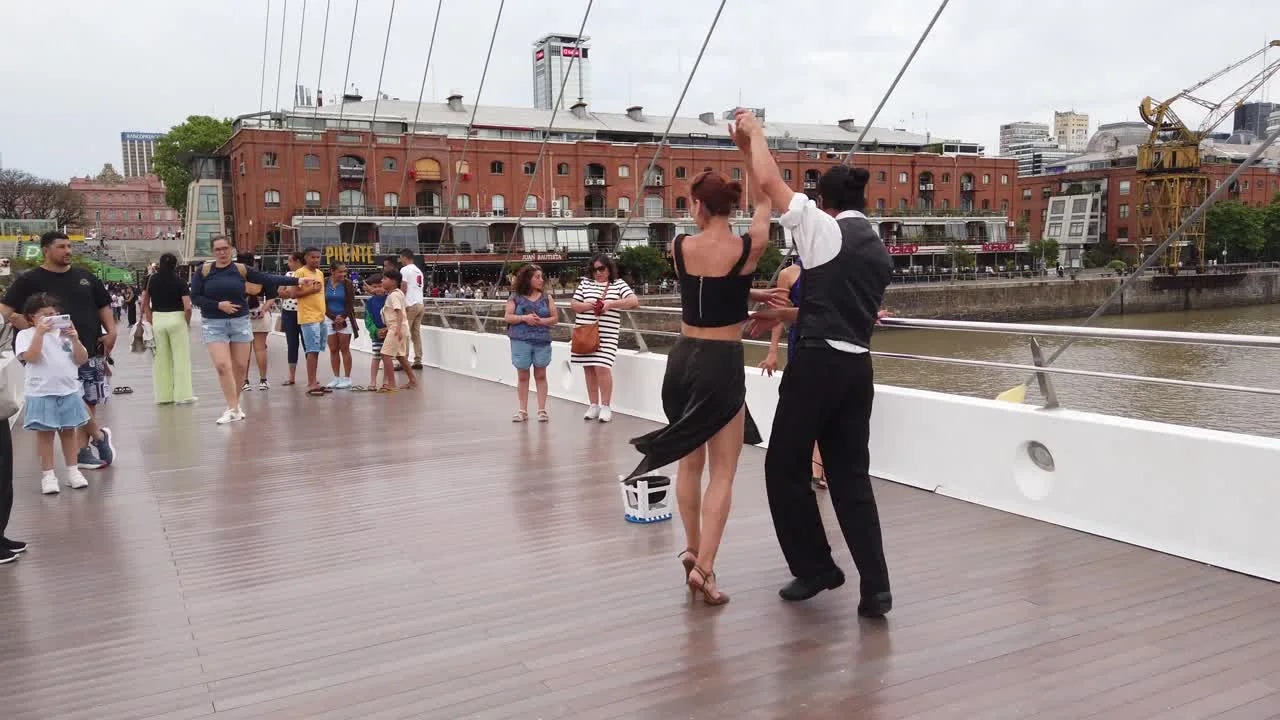
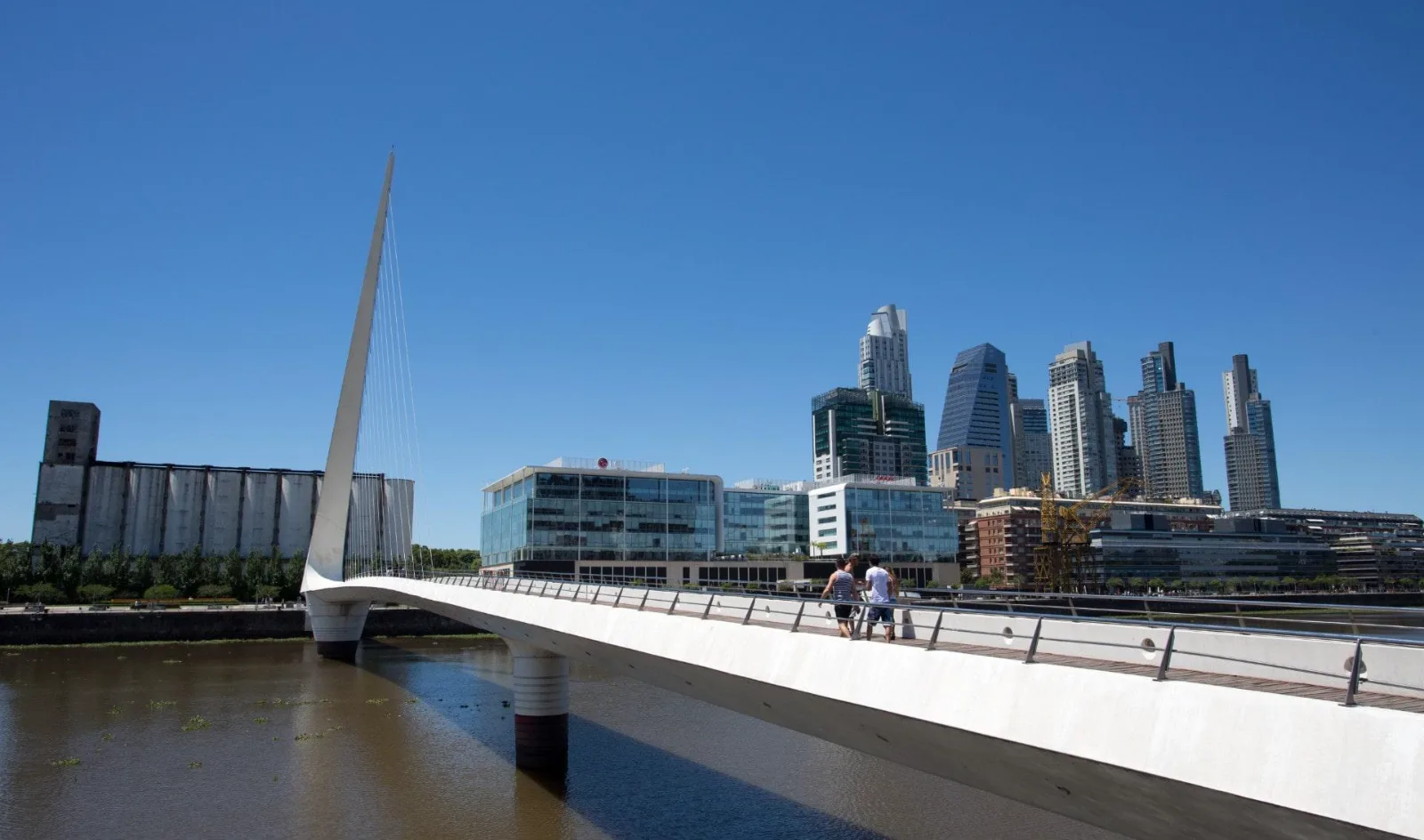
Puerto Madero shows a different side of Buenos Aires. Former docklands have become a waterfront district where old brick warehouses meet contemporary buildings and open promenades. The Puente de la Mujer is its most recognizable landmark. A walk here offers a chance to talk about the city’s changing relationship with its port and, if time allows, enjoy a meal by the water.
Floralis Genérica: Buenos Aires in Bloom
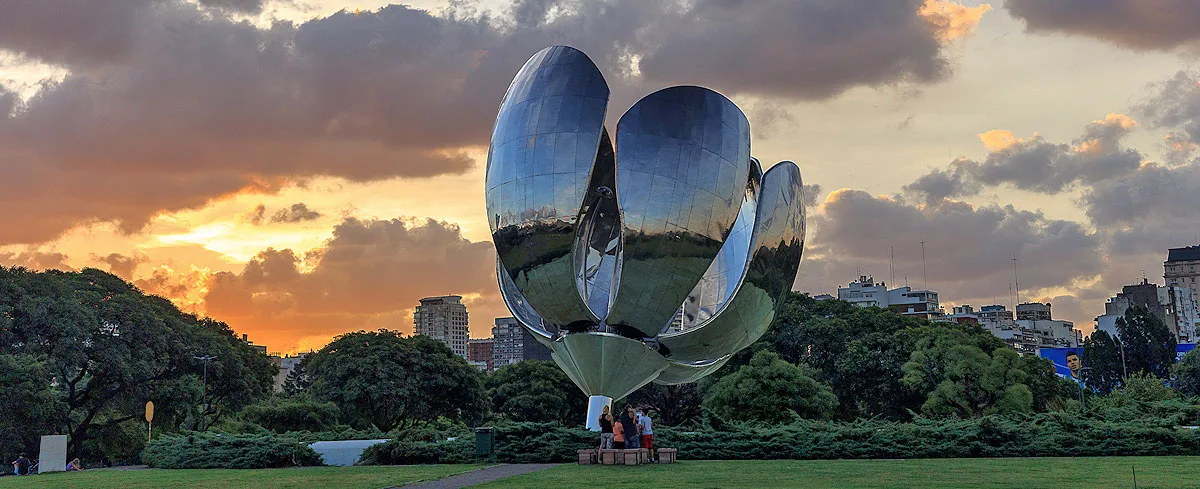
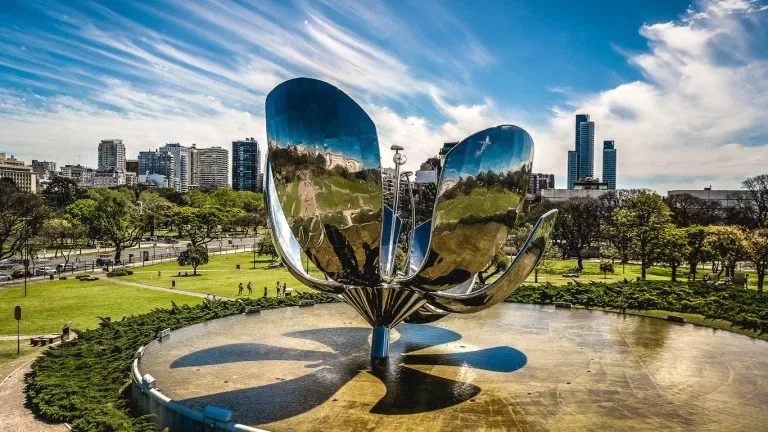
The enormous steel flower in Plaza de las Naciones Unidas has become one of the city’s most distinctive modern landmarks. Created by Argentine architect Eduardo Catalano, Floralis Genérica stands amid open lawns near the Faculty of Law. It makes an easy outdoor stop on a Recoleta itinerary and offers a striking contrast with the area’s older architecture.
El Ateneo Grand Splendid: A Bookstore with a Theatrical Past
El Ateneo Grand Splendid occupies a former theater. Its balconies, stage, and ornate interior make browsing the shelves feel like stepping into another era of Buenos Aires cultural life. Even if you are not shopping for books, it is worth a visit for the building itself. Ask your guide how it fits into the history of the city’s theater and publishing scene.
The Japanese Garden: A Quiet Corner of Palermo
The Japanese Garden brings ponds, bridges, plants, and Japanese cultural elements together in a carefully designed setting. It is a welcome pause during a busy day of Buenos Aires sightseeing, particularly if you are already exploring Palermo. Plan enough time to walk through it rather than treating it as a quick photo stop; check current admission details before you go.
How to Plan Your Private Buenos Aires Tour
These places spread across several neighborhoods, so they work best as choices rather than a checklist for a single outing. For a first introduction, combine Plaza de Mayo, San Telmo, La Boca, and Puerto Madero. If architecture and green space appeal more, explore Recoleta, the cemetery, Floralis Genérica, El Ateneo, and Palermo’s gardens. Your guide can help match the route, walking time, transport, and stops to your interests.
Explore private tours in Buenos Aires on HolaGuides, compare local guides and itineraries, and plan a visit that feels like your own.